
Nvidia's $500B financing platform has deployed nothing, WSJ reports
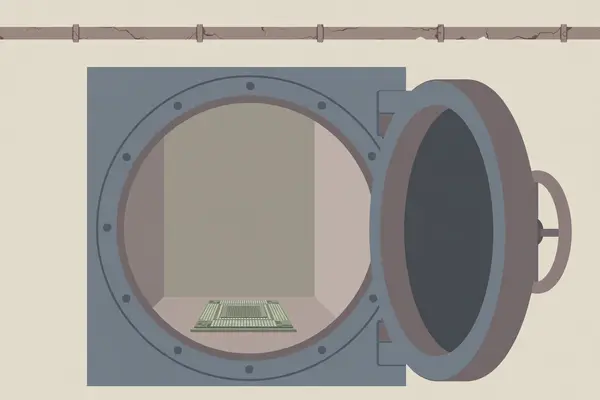
The Wall Street Journal reports Nvidia's plan to mobilise more than $500 billion of outside capital for AI infrastructure has deployed no capital more than three months on, and the first deal is not expected before 2027.
The News
The Wall Street Journal reported November 18 that Nvidia's plan to mobilise more than $500 billion of outside capital to finance AI infrastructure has deployed no capital more than three months after it was announced. The first deal is not expected to close before 2027. Nvidia unveiled the platform on August 10 with six Wall Street partners — Apollo, BlackRock, Blackstone, Brookfield, Goldman Sachs and KKR — as a way to fund the datacenter build-out without putting the full cost on its own balance sheet.
The main obstacle is how much risk Nvidia is willing to take. Nvidia offered up to 25% credit support on some deals, while customers and Wall Street partners are pressing for more. The August arrangements were memorandums of understanding only — no binding fundraising commitment — and Nvidia's own filing cautioned they 'may not lead to definitive agreements.' Bloomberg had reported on November 12 that no deals had emerged from the platform.
On the November 17 earnings call, interim chief executive Colette Kress said the platforms were still being set up and that Nvidia would be 'disciplined and selective' on future investments, commitments and guarantees. On the same call she clarified the terms of Nvidia's separate $118 billion in datacenter guarantees, which are covered in another story today. Nvidia shares closed Wednesday at $150.96, down 2.89%, their fifth consecutive session of declines.
A $500 billion platform with no deals is a press release, not a pipeline — but the partners are still at the table.
Why It Matters
The platform matters because it was supposed to solve the biggest problem in the AI build-out: who pays for it. Datacenters cost tens of billions of dollars each, and even the richest tech companies cannot fund the whole wave from their own cash — their free cash flow has already turned negative. Nvidia's idea was to bring in Wall Street money, with Nvidia itself providing some credit support to reassure lenders. If the platform works, the build-out gets a new funding channel. If it stalls, the funding gap stays open.
The delay matters because it is about risk, not paperwork. Lenders will fund a datacenter if someone credible absorbs the first losses when things go wrong. Nvidia offered up to 25%; its partners want more. That gap is a disagreement about how safe these projects really are — and it echoes the wider market debate this week, including the ECB's warning about hidden commitments. The negotiation is, in effect, the market pricing the risk of the AI boom.
The earnings-call comments matter because they set expectations. Kress did not promise a date, and she stressed discipline — a signal that Nvidia will not buy deals by taking on unlimited risk just to get the platform moving. That is prudent, and it is also why the first deal is now expected in 2027 rather than 2026. Investors who counted the $500 billion as funding already in place should revise that assumption: the money is announced, not available.
Analyst's Take
Our call is Mixed. The platform has not failed — it has not started. Three months with no deal is slow, but these are enormous, complicated financings, and talks on a first deal continue — although the New York Times reported on November 13 that no loans had closed and at least one of the six lenders was discussing dropping out. The honest read is that the platform is a promise, not yet a funding channel, and the datacenter build-out it was meant to pay for is being financed other ways in the meantime. Reader poll: Bullish or bearish on Nvidia? Vote: Bullish, Bearish, Mixed.
The sticking point tells its own story. Nvidia wants to put up to 25% credit support; its customers and Wall Street partners want more. That is a negotiation about who bears the loss if an AI datacenter does not earn its keep — and it is the same question sitting behind the ECB's warning about off-balance-sheet commitments and Kress's careful language about guarantees. Everybody wants the build-out; nobody wants to be the one holding the risk if demand disappoints.
What to watch is simple: a first deal, and its terms. If a deal closes in early 2027 with Nvidia's support near 25%, the platform works as designed and the delay was just deal-making. If the first deal needs far more support from Nvidia, or slips further, the market will read it as evidence that outside capital wants Nvidia to take the risk itself. Either way, the $500 billion figure should be treated as an ambition until money actually moves. The shares' fifth straight decline — down 2.89% Wednesday to $150.96 — says investors are already discounting the delay.
Are you bullish or bearish on this story?
By The Numbers
FAQ
What is a memorandum of understanding?
A memorandum of understanding, or MOU, is a written statement that two sides intend to work together. It is not a binding contract — either side can walk away — and it does not commit any money. Nvidia's own filing cautioned that the August arrangements 'may not lead to definitive agreements.'
What is credit support?
Credit support is a promise by one party to cover some of the losses if a borrower cannot pay. Nvidia offered up to 25% credit support on some deals, meaning it would absorb up to a quarter of the losses — a way of reassuring lenders so they will fund a project.
What does it mean for capital to be deployed?
Deployed capital is money that has actually been invested in a project, not just promised. A $500 billion platform that has deployed nothing has announced a target and lined up partners, but no cash has yet flowed into any datacenter or infrastructure deal.
👁
Source: AIStockWire (Wall Street Journal report)