
Kentucky Power files for a 760 MW gas plant to serve TeraWulf's 1 GW campus
Kentucky Power wants to build a 760 MW gas plant and a new substation to power TeraWulf's planned 1 GW Muskie campus in Grayson, Kentucky — with decisions possible as early as mid-2027.
📊 Scorecard: our Bullish call on $WULF is scored from $12.62, the last close before it ran. Its first result comes after the next close.
The News
Kentucky Power filed plans on Friday, November 13, with the Kentucky Public Service Commission to build new generation and transmission infrastructure to serve TeraWulf's planned Muskie Data Campus in Grayson, Kentucky. The campus is expected to support up to 1 GW of contracted electric demand, built in phases by 2029. A gigawatt is a billion watts — roughly the electricity a large city uses — and a single campus needing that much power is the new normal for AI data centres.
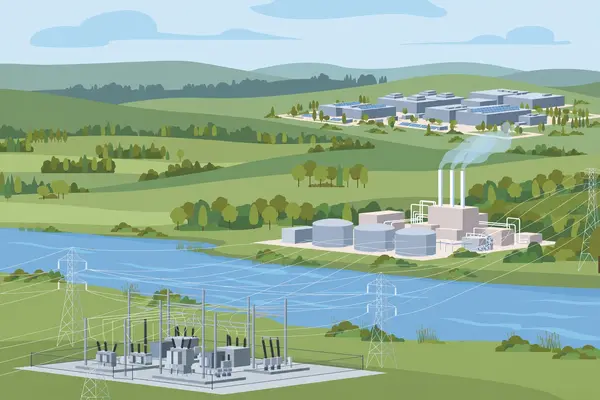
To serve it, Kentucky Power is seeking approval to build a new 760 MW combined-cycle natural gas facility next to its Big Sandy generating unit in Louisa, plus a new transmission substation in the EastPark Industrial Park area. A combined-cycle plant burns natural gas to make electricity, then captures the waste heat to make more — it is one of the most efficient ways to generate power from gas. The filings follow an amended agreement with TeraWulf announced in October. Over the life of the agreement, the project is expected to provide Kentucky Power customers with more than $500 million in fixed-cost rate offsets, and TeraWulf will fund $100 million in winter bill credits for residential customers beginning in 2029 over the first 10 years of the contract.
Nothing is approved yet. Each facility needs its own Certificate of Public Convenience and Necessity from the PSC — the formal permission a utility needs before building major infrastructure — with decisions possible as early as mid-2027. And the 1 GW figure needs the same care: it is expected contracted demand in phases by 2029, subject to regulatory approval and construction schedules, not load that exists today.
Kentucky Power also signed the White House Ratepayer Protection Pledge, and says its large-load tariff requires data centres to provide financial backing for the cost of serving their projects before connecting to the grid. In plain terms: the campus has to put up money upfront so existing customers do not end up paying for its power plant.
A 760 MW gas plant for one customer is the new shape of the AI buildout: the grid is being rebuilt one campus at a time.
Why It Matters
This filing is a small story with a big pattern inside it. AI data centres now need so much electricity that utilities are building whole power plants for single customers — a 760 MW gas plant, in this case, for one campus. That is the shape of the AI buildout in 2026: the constraint is no longer chips or land, it is power, and the utilities that can deliver it are becoming part of the AI trade. For TeraWulf, a dedicated plant and substation turn a patch of Kentucky land into a credible 1 GW campus.
For the parent company, American Electric Power, the economics are straightforward. Kentucky Power is a regulated utility: when it builds approved infrastructure, it earns a regulated return on that investment, paid for through customer bills over decades. A 760 MW plant plus a substation is a large addition to its rate base — the pool of assets it earns on — which is why utility stocks often rise on filings like this even before approval. The risk sits on the other side of the ledger: if the campus stalls, the plant could become an expensive asset with one customer.
That risk is exactly what the ratepayer protections are for. The large-load tariff's financial-backing rule means TeraWulf must put money behind its demand before it connects, and the Ratepayer Protection Pledge is a public promise that ordinary Kentuckians will not subsidise a data centre's power. Regulators will still ask hard questions — a gas plant is a multi-decade commitment, and the PSC does not have to say yes — but the structure of the deal, with the customer guaranteeing the cost, is what makes a mid-2027 approval plausible.
Analyst's Take
Our call is Bullish. A utility filing to build a 760 MW plant for a named customer, under a tariff that makes the customer guarantee the cost, is the most bankable kind of AI infrastructure news: real demand, a real payer, and a regulated return for the builder. TeraWulf gets the power it needs to become a 1 GW campus, and AEP's Kentucky Power gets a rate-base asset with its risk largely underwritten.
What to watch: the PSC process through to mid-2027, TeraWulf's construction schedule at Muskie, and whether other utilities copy the model — customer-backed generation for single campuses. The caveat is the approval itself: the PSC has not ruled, and a gas plant is a long-lived bet in a state where regulators will weigh ratepayer costs carefully. But a filing this structured, for a customer this committed, is a strong start.
Reader poll: Yes, big win — Too early — or Gas is risky? Where do you stand on $WULF?
Are you bullish or bearish on this story?
By The Numbers
FAQ
What is a combined-cycle gas plant?
A power plant that burns natural gas to spin a turbine and make electricity, then captures the waste heat to make a second round of electricity from steam. Reusing the heat makes it one of the most efficient ways to generate power from gas.
What does 1 GW of demand mean?
A gigawatt is a billion watts — roughly the electricity a large city uses at any given moment. The Muskie campus is expected to need up to that much power once fully built, in phases by 2029. It is expected demand, not load that exists today.
Is the gas plant approved?
No. Kentucky Power has only filed its plans with the Kentucky Public Service Commission. Each facility — the plant and the substation — needs its own Certificate of Public Convenience and Necessity, with decisions possible as early as mid-2027.
Who pays for the new plant?
Under Kentucky Power's large-load tariff, TeraWulf must provide financial backing for the cost of serving its campus before connecting to the grid. Kentucky Power has also signed the White House Ratepayer Protection Pledge, a public promise that existing customers will not be left paying for a data centre's power.
👁
Source: PR Newswire