
US probing whether Iran is behind cyberattacks on as many as 50 energy tankers, WSJ reports
Ships carrying oil, gas and chemicals received warnings and bomb threats, the Journal reported, but a US official said no evidence of Iranian involvement has been found so far and no formal attribution has been made.
The News
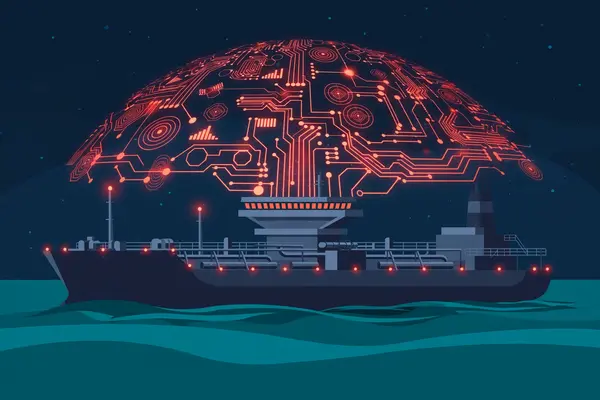
The United States is investigating whether Iran is behind cyberattacks on as many as 50 energy tankers, the Wall Street Journal reported on Monday, November 23, citing US officials and others familiar with the matter. The ships carry oil, liquefied petroleum gas, chemical products and other explosive substances, and some received warnings and bomb threats indicating the vessels could be blown up.
Iran is a primary suspect and Russia is also seen by US authorities as a possible culprit, but no formal attribution has been made and the investigation is ongoing. A Trump administration official told the Journal that the US has found no evidence of Iranian involvement so far, and Reuters said it could not immediately verify the report. That matters: this post is about the probe itself, not a verdict on who did it.
The probe follows an incident in August, when Coast Guard Cyber Protection Teams and FBI Cyber Action Team operators boarded two foreign-flagged tankers bound for US ports, on August 21 and 24, after intelligence flagged compromises in the ships' networks, the Coast Guard confirmed to Fox News. The Coast Guard reported no operational disruption and no threat to crew safety from those boardings — but the attacks themselves had disrupted one vessel: hackers had breached its propulsion and navigation systems, forcing the crew onto manual procedures for about 30 hours, according to the Journal's reporting. The Journal's account says hackers breached shipboard networks using compromised maritime communications equipment to send threatening messages and ransom demands, some written in Farsi. The Coast Guard and the FBI issued a Maritime Cyber Alert on September 4 about nation-state actors exploiting Fortinet FortiGate devices on vessels and port facilities, according to the Maritime Executive's account of the alert.
Fifty tankers, bomb threats, and no culprit named — the probe is real, and so is the uncertainty.
Why It Matters
This matters because tankers are how the world's oil moves. A cyberattack that can reach a ship's bridge systems and threaten to blow it up does not need to succeed to cause damage — the threat alone pushes up insurance costs, forces rerouting and slows the flow of crude through the Gulf. Energy markets price risk as well as barrels, and a campaign against 50 tankers is a risk the market cannot ignore.
It also matters because the attribution is explicitly unproven. A US official told the Journal that no evidence of Iranian involvement has been found so far, and Reuters could not verify the report independently. Treating Iran as the culprit before the investigation concludes would repeat a familiar mistake in Gulf reporting — and if the culprit turns out to be someone else, the policy response changes entirely.
For Exxon Mobil and Chevron, the link is a read-through only, and it should be read that way. Neither company is involved, no vessel owners or operators were named, and no physical damage was reported. Their exposure is indirect: higher shipping and insurance costs, and an oil price that moves on fear as well as on supply. A cyber campaign against tankers is a cost story for the majors, not a direct hit.
Analyst's Take
Our call is Mixed. A probe into attacks on as many as 50 tankers carrying explosive cargoes is a serious escalation in the shadow war around Gulf shipping, and the bomb threats alone are enough to raise the cost of moving oil. But the central question — who did it — is unanswered, with a US official saying no evidence points to Iran yet and Reuters unable to verify the report.
What to watch next is whether the investigation produces a formal attribution, and whether any of the threatened vessels is actually damaged. Also watch the shipping market: if insurers raise war-risk premiums for Gulf transits or owners start rerouting, the cost will show up in freight rates before it shows up in the oil price.
Until attribution lands, the honest position is to treat this as a live threat to shipping, not as a confirmed Iranian campaign. The sea lanes are the weak point in the oil market, and whoever is testing them has already shown they can reach a ship's bridge. Reader poll: Will the probe name a culprit? Vote: Yes, Iran, Yes, Russia, No, stays open.
Are you bullish or bearish on this story?
By The Numbers
FAQ
What is a cyberattack on a ship?
Modern ships are run by computer networks that control navigation, communications and cargo systems. A cyberattack breaks into those networks — in this case, the Journal reports, through compromised maritime communications equipment — and can send false messages, demand ransoms or interfere with the ship's systems.
What is a FortiGate device?
FortiGate is a brand of network security hardware made by Fortinet, used to protect computer networks. The September 4 alert warned that nation-state hackers were exploiting weaknesses in these devices on ships and at ports to get inside maritime networks.
What does 'attribution' mean?
Attribution is the formal conclusion about who carried out a cyberattack. It is hard because attackers hide their tracks, and governments are cautious about naming a culprit without solid evidence — which is why this investigation has named suspects but made no formal attribution.
What is the Coast Guard Cyber Protection Team?
It is a specialist US Coast Guard unit that defends ships and ports against cyberattacks. Its operators board vessels to inspect their networks when intelligence suggests a compromise, as they did with the two tankers in August.
👁
Source: Reuters via KeloFM